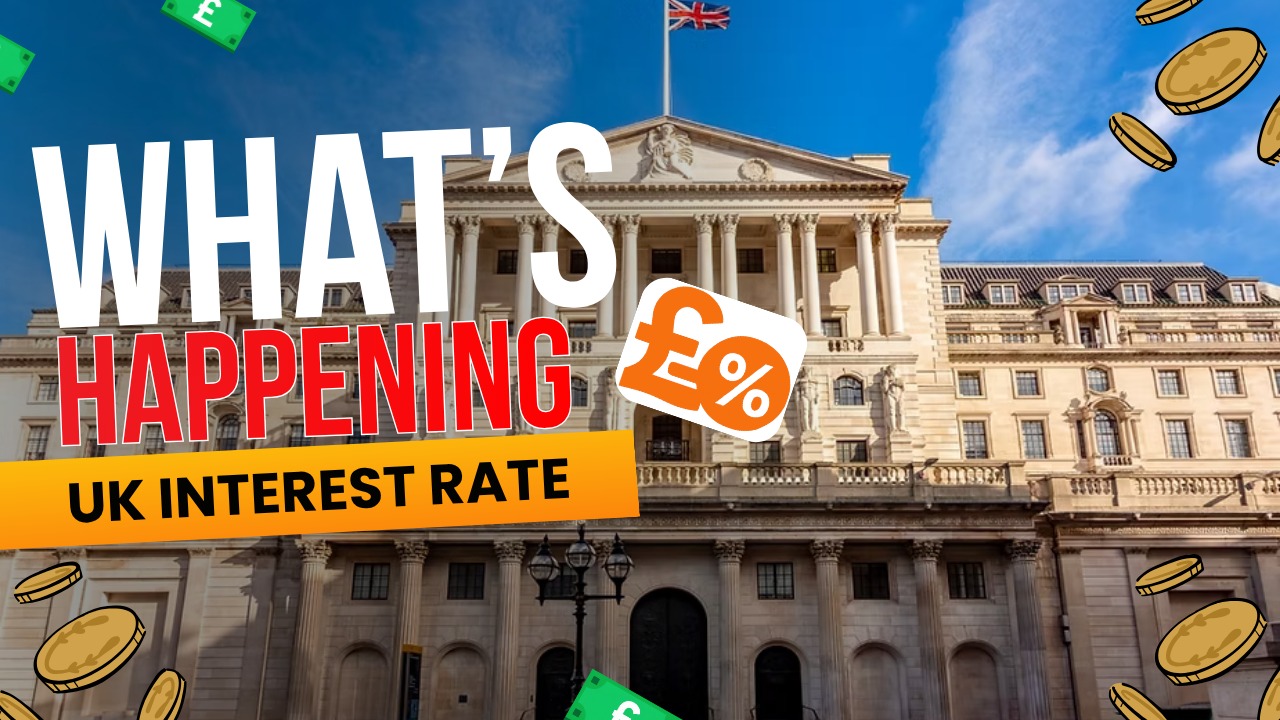
Interest rates continue to play a major role in the UK economy, influencing mortgage repayments, savings returns and business borrowing. Although many people expected rates to fall more quickly, the reality remains more measured.
Whether you are planning to buy your first home, remortgage your existing property, grow your savings or invest in your business, understanding today's interest rate environment can help you make more informed financial decisions.
The Bank of England has chosen to keep the Bank Rate at 3.75% following its latest Monetary Policy Committee meeting. The decision reflects the Bank's continued efforts to balance inflation control with long-term economic stability.
While most committee members supported maintaining the current rate, differing opinions show that policymakers continue to closely monitor the UK's economic outlook before making further changes.
Inflation has fallen significantly from previous highs but remains above the Bank of England's long-term target of 2%.
Several factors continue to influence interest rate decisions:
For these reasons, policymakers continue to take a cautious and measured approach.
Homeowners with fixed-rate mortgages will generally see no immediate changes to their monthly repayments until their current deal expires.
Those on tracker or variable-rate mortgages are unlikely to experience significant payment changes while the Bank Rate remains stable.
Although mortgage rates remain higher than they were during the period of ultra-low interest rates, competition among lenders has increased, providing borrowers with more attractive mortgage products.
Purchasing a first home remains more expensive than during previous years due to higher borrowing costs.
Higher interest rates can reduce borrowing capacity, even though property prices have become more stable.
On the positive side, a more stable interest rate environment provides greater confidence for buyers while allowing lenders to introduce more consistent mortgage products.
Savers continue to enjoy much stronger returns compared with the low-interest-rate environment experienced between 2009 and 2021.
Although savings rates may gradually reduce if interest rates begin to fall, many savings accounts continue to offer attractive returns.
Comparing savings providers regularly can help maximise returns on your money.
Businesses continue to face higher borrowing costs when funding expansion, purchasing equipment or managing cash flow.
However, the stability in interest rates makes long-term financial planning more predictable. If inflation continues to ease, improving consumer confidence may create stronger opportunities for business growth.
Many economists expect the Bank of England to continue taking a cautious, data-driven approach when making future interest rate decisions.
If inflation continues to decline and economic conditions improve, gradual reductions in interest rates may become possible. However, persistent inflation or unexpected global events could result in rates remaining higher for longer.
Future decisions will largely depend on:
The period of rapid interest rate increases appears to have slowed, but a return to the exceptionally low borrowing costs seen over the past decade is unlikely in the near future.
Interest rates influence almost every aspect of personal and business finance. Staying informed about changes to the Bank of England's base rate can help you make smarter financial decisions, whether you are buying your first home, remortgaging, saving for the future or investing in your business.
If you are unsure how current interest rates may affect your mortgage or financial plans, speaking with an experienced mortgage adviser can help you explore the most suitable options available.
Disclaimer: This article is provided for general information only and does not constitute financial, mortgage or legal advice. Mortgage products, interest rates and lending criteria vary between lenders. Always seek independent professional advice before making financial decisions.



Speak with our experienced advisers for expert mortgage, insurance and business finance guidance.
Get Free Consultation